Professional Service
Attic-focused exclusion that closes roofline, vent, eave and utility openings used by rats and mice.
Tell us what you are hearing, seeing, or smelling. A wildlife removal specialist can help with rodents, birds, bats, raccoons, skunks, attic damage, and exclusion repairs.
Attic rodent exclusion in Orange County is the sealing work aimed at the openings that let rats and mice into the attic—tile returns, vents, eaves, fascia gaps, and utility penetrations at the roof. Homeowners often trap in the attic until the noise stops, then hear the same scratching weeks later because the entry path was never closed. Exclusion without matching attic evidence to exterior openings leaves the wrong gaps sealed and the real highway open.
Advanced Wildlife Removal matches attic evidence to exterior openings and plans sealing around the complete attic structure after activity is controlled. Vulnerable materials are reinforced, and warranty-eligible repairs are documented in the customer agreement when they qualify. That attic-focused scope is narrower than full-property rodent proofing, and it follows active control described on rats in the attic and roof rat removal.
This page covers how attic rodent exclusion works for Orange County and Los Angeles County homes, which signs mean repeat attic entry, how sealing is sequenced with cleanup, and when the 10-year rodent protection warranty can apply to qualifying exclusion repairs written into your agreement.
For more detail, read our guide on seasonal wildlife prevention tips for Orange County homes.
Repeat attic noise after trapping is the classic exclusion signal. Visual clues at the roofline explain why.
If animals are still active and you need removal first, start with rats in the attic. If garage and crawlspace openings also need sealing, expand to rodent proofing. Attic rodent exclusion stays focused on the attic envelope.
Inspection, active control, exclusion and cleanup are scoped to the conditions found at the property.
Repeat attic noise, droppings after trapping, daylight at roof gaps and damaged screens or vents.
Attic evidence is traced outward to tile gaps, vents, eaves, fascia and utility routes so the exclusion scope covers the openings connected to the active travel path.
Match attic evidence to exterior openings and plan sealing around the complete structure.
Reinforce vulnerable materials and document warranty-eligible repairs in the customer agreement.
Attic exclusion is not foam in one obvious hole. It is a mapped seal of the openings that serve the attic after activity stops.
We match attic evidence to exterior openings and plan sealing around the complete structure. Droppings trails, rub marks, and nesting paths inside are compared with vents, tile returns, eaves, fascia, and roof utility penetrations outside so the scope targets the real entry system.
Sealing proceeds after monitoring shows attic activity has stopped. Closing returns while rats remain inside can create odor and damage problems. Removal and monitoring come first when animals are still present.
We reinforce vulnerable materials and seal the openings included in the written scope—vents, screens, eaves, fascia gaps, and utility routes that serve the attic. Materials are chosen for durability at each detail. Soft temporary patches are not treated as finished exclusion.
After exclusion, contaminated insulation and droppings can be addressed through attic cleanup or insulation removal when needed. Warranty-eligible repairs are documented in the customer agreement when they qualify—see warranty conditions.
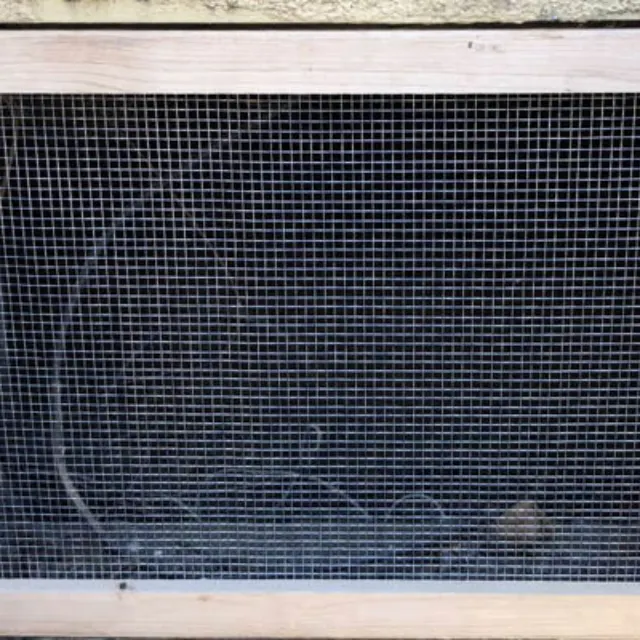
If the attic contains droppings, nesting material, odor or damaged insulation, cleanup or insulation work is itemized separately from the exclusion repairs.
If the proposal includes qualifying rodent exclusion repairs, those specific repairs may receive 10-year protection when it is written into the signed agreement. Removal, cleanup and insulation work are not automatically covered.
Tile roofs across Irvine, Anaheim Hills, Yorba Linda, Mission Viejo, and coastal Orange County communities create returns and edges that open with age and weather. Attic vents and eaves are frequent roof-rat targets. Mature landscaping keeps elevated pressure on the same details year-round. When HOAs share roof styles, the same attic entry patterns repeat across units unless openings are documented and sealed systematically.
We provide attic rodent exclusion throughout Orange County communities including Irvine, Anaheim, Huntington Beach, Newport Beach, Costa Mesa, Tustin, Orange, Fullerton, Yorba Linda, and Mission Viejo, with select Los Angeles County service based on scope and availability. Attic-focused exclusion pairs naturally with roof rat and rats-in-attic removal when the interior evidence and exterior openings are mapped together.
County coverage: Orange County and Los Angeles County. Broader sealing beyond the attic: rodent proofing.
Quiet nights after devices are set do not equal a sealed attic. The next rats use the same vent or return. A complete attic rodent exclusion plan should:
If the proposal includes qualifying rodent exclusion repairs, those specific repairs may receive 10-year protection when it is written into the signed agreement. Removal, cleanup, and insulation work are not automatically covered.
Our rodent proofing service identifies and permanently seals roofline gaps, vents, utility penetrations, crawlspace openings and other access points used by rats and mice.
Attic rat removal, entry-point sealing and cleanup planning for scratching, droppings, odor and damaged insulation.
Professional attic cleanup after rodent or wildlife activity, including debris, droppings, odor and insulation evaluation.
Removal of insulation affected by rodent droppings, urine, nesting, odor or extensive wildlife damage.
Orange County, Los Angeles County and select nearby Southern California communities.
It is attic-focused sealing that closes roofline, vent, eave, and utility openings used by rats and mice, planned by matching attic evidence to exterior openings.
Attic rodent exclusion focuses on the attic envelope. Rodent proofing is the broader property program that can also include garage, foundation, and crawlspace openings.
After monitoring shows attic activity is controlled, so rodents are not locked inside. The written scope lists which openings are included.
No. Exclusion closes access. Cleanup and insulation decisions are evaluated separately based on contamination found after activity stops.
Closing the openings tied to the travel path is what stops reentry. Trapping alone without exclusion commonly allows the same noise to return.
Qualifying rodent exclusion repairs may receive 10-year protection when expressly covered in the signed agreement. Ask which attic repairs are warranty-eligible.
Yes. Attic evidence is matched to exterior openings—vents, returns, eaves, and penetrations—so sealing targets the real entry system.
Exclusion still targets the openings serving the attic. Device placement and monitoring are adjusted for species during the control phase before sealing.
24/7 emergency service is available. Get a clear plan for attic activity, roofline and vent access, non-poison control, complete sealing, monitoring and qualifying warranty-backed repairs documented in writing.
Advanced Wildlife Removal
Call now or send a secure request with the property location and wildlife problem.