Professional Service
Attic rat removal, entry-point sealing and cleanup planning for scratching, droppings, odor and damaged insulation.
Tell us what you are hearing, seeing, or smelling. A wildlife removal specialist can help with rodents, birds, bats, raccoons, skunks, attic damage, and exclusion repairs.
Rats in the attic are one of the most common Orange County wildlife calls. Nighttime scratching above ceilings, droppings in insulation, urine odor, nesting paths, and disturbed batts usually mean animals are already using the attic as harborage—not just passing through a garage. Waiting often spreads contamination farther across insulation and stored materials and increases the chance of chewed wiring or stained ceilings.
Advanced Wildlife Removal inspects the attic and exterior roofline as one system so noises, droppings, nesting paths, and disturbed insulation can be matched to the openings rats use to enter. Active rats are removed and monitored until activity stops. Then roofline and vent openings in scope are closed, and contaminated insulation or sanitation needs are evaluated honestly—not sold as a one-size attic package.
This page covers how attic rat removal works for Orange County and Los Angeles County properties, which interior attic signs matter most, how exclusion and cleanup are sequenced, and when the 10-year rodent protection warranty can apply to qualifying exclusion repairs written into your agreement.
For more detail, read our guide on common signs you need wildlife removal service.
Attic rat activity leaves a clear pattern once you know what to look for. Early recognition shortens how long droppings and urine sit in insulation.
Elevated tile and tree access are covered in depth on roof rat removal. General indoor and garage rat patterns are on rat removal. This rats-in-attic page focuses on the attic interior problem: noise, contamination, sealing, and cleanup decisions after activity stops.
Inspection, active control, exclusion and cleanup are scoped to the conditions found at the property.
Nighttime scratching, ceiling noises, attic droppings, urine odor, nesting and disturbed insulation.
The attic and exterior roofline are inspected as one system so noises, droppings, nesting paths and disturbed insulation can be matched to the openings rats use to enter.
Inspect the attic and exterior together, remove active rats and confirm when activity has stopped.
Close roofline and vent openings, then address contaminated insulation or sanitation needs.
Attic rat work fails when technicians only set devices in the attic and never match interior evidence to exterior openings—or when they seal too early and lock animals inside.
The attic and exterior roofline are inspected together so noises, droppings, nesting paths, and disturbed insulation can be matched to the openings rats use to enter. We document where droppings concentrate, how insulation is traveled, and which vents, returns, eaves, or penetrations explain entry.
We inspect the attic and exterior together, remove active rats, and confirm when activity has stopped through monitoring. Control is focused on confirmed attic and route evidence. We do not rely on broadcasting poison as a substitute for finding the entry path.
Prevention closes roofline and vent openings included in the written scope after activity is controlled. For attic-focused sealing programs, see attic rodent exclusion. Broader property sealing may also use rodent proofing.
After attic activity stops, affected areas can be cleared of droppings and nesting debris, sanitized where appropriate, and evaluated for odor or insulation damage. Some attics need targeted cleanup; others need broader insulation removal and replacement. Related services: attic cleanup, rodent cleanup, and insulation removal.
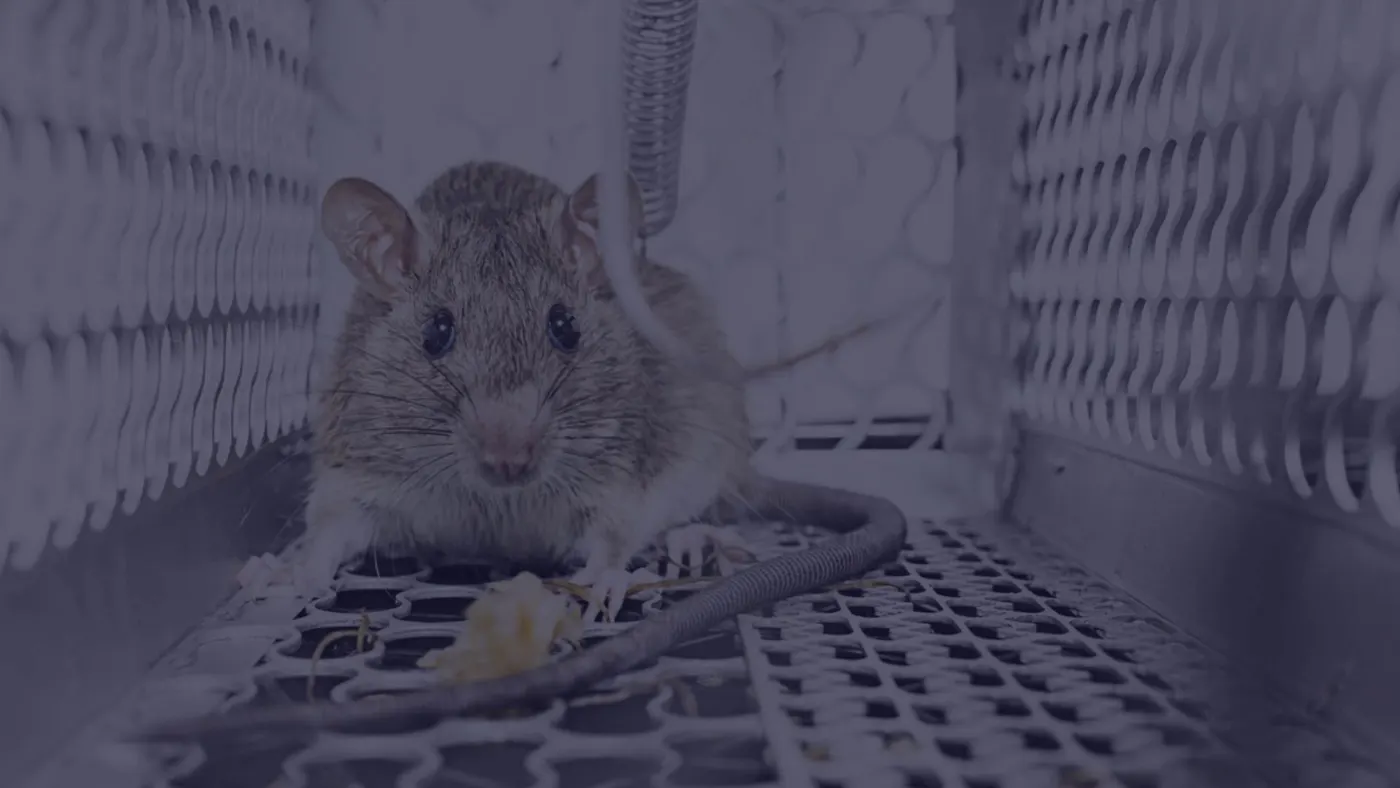
After attic activity stops, affected areas can be cleared of droppings and nesting debris, sanitized where appropriate and evaluated for odor or insulation damage.
If the proposal includes qualifying rodent exclusion repairs, those specific repairs may receive 10-year protection when it is written into the signed agreement. Removal, cleanup and insulation work are not automatically covered.
Local attics offer dark, warm harborage above nearly every living space. Tile roofs and aging vents create access; mature landscaping creates bridges; mild winters mean rats do not abandon attic pressure for months at a time. Homeowners in Irvine, Anaheim, Huntington Beach, Newport Beach, Costa Mesa, Tustin, Orange, Fullerton, Yorba Linda, and Mission Viejo often report the same sequence: ceiling noise first, then droppings and odor once the attic hatch is opened.
We provide rats-in-attic removal across Orange County communities and select Los Angeles County properties based on scope and availability. Multi-unit buildings and HOAs frequently see repeat complaints in similar roof and attic constructions—documenting openings by section and completing exclusion on shared weak points usually stops the cycle better than repeated one-night trap visits.
Coverage context: Orange County and Los Angeles County. If elevated exterior access is the dominant finding, pair this page with roof rat removal.
Quiet nights after trapping do not mean the attic problem is solved if the same vent or tile gap is still open. A complete rats-in-attic plan should:
If the proposal includes qualifying rodent exclusion repairs, those specific repairs may receive 10-year protection when it is written into the signed agreement. Removal, cleanup, and insulation work are not automatically covered. Review warranty conditions before authorizing work.
Rat removal focused on attic activity, roof-rat travel routes, sanitation risks and the openings that allow reinfestation.
Attic-focused exclusion that closes roofline, vent, eave and utility openings used by rats and mice.
Cleanup and sanitation planning for droppings, nesting debris, urine odor and rodent-contaminated materials.
Professional attic cleanup after rodent or wildlife activity, including debris, droppings, odor and insulation evaluation.
Orange County, Los Angeles County and select nearby Southern California communities.
Rats are primarily nocturnal. Nighttime scratching and running above ceilings are classic attic activity signs, especially when droppings or nesting are found during inspection.
Yes. The attic and exterior roofline are inspected as one system so interior evidence can be matched to entry openings.
Sealing too early can lock rats inside wall or attic voids and worsen odor or damage. Qualifying openings are sealed after monitoring shows activity is controlled.
No. After activity stops, we evaluate droppings, odor, and insulation damage. Some attics need targeted cleanup; others need broader insulation removal and replacement. Scope is written separately.
Our approach does not rely on broadcasting poison. Control methods are selected after inspection and focused on confirmed attic and entry routes.
Rats-in-attic emphasizes interior attic evidence, insulation impact, and cleanup planning. Roof rat removal emphasizes elevated exterior access such as tile returns and tree bridges. Many Orange County jobs involve both.
The warranty applies only to qualifying rodent exclusion repairs expressly covered in the signed agreement. Removal, cleanup, and insulation work are not automatically included.
Yes. Odor, staining, and fly activity can indicate remaining contamination or a dead animal in a void. Inspection narrows the source before cleanup or dead-animal removal is scoped.
24/7 emergency service is available. Get a clear plan for attic rat activity, non-poison control, roofline and vent sealing, monitoring, droppings and odor cleanup, insulation damage and qualifying protection documented in writing.
Advanced Wildlife Removal
Call now or send a secure request with the property location and wildlife problem.