Professional Service
Rat removal focused on attic activity, roof-rat travel routes, sanitation risks and the openings that allow reinfestation.
Tell us what you are hearing, seeing, or smelling. A wildlife removal specialist can help with rodents, birds, bats, raccoons, skunks, attic damage, and exclusion repairs.
Rat removal in Orange County is usually a roof-and-attic problem before it is a kitchen problem. Roof rats travel along trees, fences, tile returns, eaves, and utility lines, then settle into attics, garages, wall voids, and crawlspaces where food scent, warmth, and nesting material are available. Once a route is established, droppings, urine staining, gnawing, and nighttime movement often continue until both the active rats and the entry points are addressed.
Advanced Wildlife Removal approaches rat removal as an inspection-driven process: confirm the species and travel path, place appropriate control, monitor results, then complete rodent proofing so the same tile gap, vent, or eave opening is not reused. That sequence matters in Southern California because mild weather supports year-round rat pressure and because many local homes share the same vulnerable roof details—returns at hips and valleys, attic vents, fascia gaps, and garage-door edges.
This page covers how professional rat removal works for Orange County and Los Angeles County properties, what warning signs to watch for, how attic contamination factors into the plan, and when the 10-year rodent protection warranty can apply to qualifying exclusion repairs written into your agreement.
For more detail, read our guide on what to do when wildlife or rodents enter your home.
Rat activity leaves a trail if you know where to look. Homeowners often notice ceiling noise first, then discover droppings or rub marks once the attic or garage is opened. Catching the pattern early reduces how far contamination spreads through insulation and stored materials.
Mice can create similar indoor evidence at a smaller scale, and larger wildlife can share the same attic. Inspection distinguishes rat routes from mouse activity or raccoon denning so control devices, sealing priorities, and cleanup recommendations are accurate. If your primary concern is upper-level tile access, also review roof rat removal and rats in the attic.
Inspection, active control, exclusion and cleanup are scoped to the conditions found at the property.
Heavy attic movement, spindle-shaped droppings, gnaw marks, greasy rub marks and food-package damage.
Rat inspections follow travel routes from food, water and harborage areas into attics, garages, walls and crawlspaces, then connect that evidence to exterior roofline and utility openings.
Confirm rat activity and travel routes before placing species-appropriate control devices and monitoring results.
Complete rodent proofing after removal so roof rats cannot reuse tile gaps, vents, eaves or utility penetrations.
Effective rat removal is not bait tossed in an attic and a hope that noise stops. We connect interior evidence to exterior openings, then close the loop with proofing and, when needed, sanitation.
Rat inspections follow movement from food, water, and harborage into attics, garages, walls, and crawlspaces, then connect that evidence to exterior roofline and utility openings. We look for droppings distribution, rub marks, gnawing, nesting, urine staining, and the specific tile, vent, eave, fascia, or pipe gaps that explain how rats are getting in. On many Orange County homes, tree limbs, vines, and fence lines act as bridges; those site conditions are noted even when the repair itself is structural.
After activity and routes are confirmed, we place species-appropriate control devices and monitor results. The goal is to resolve the active infestation in the areas identified during inspection—not to broadcast poison around the property as a substitute for finding the entry path. Monitoring tells us when activity has slowed or stopped so exclusion and cleanup are not performed against an unresolved population.
Proofing is what keeps rat removal from becoming a monthly callback. We seal qualifying roof gaps, vents, eaves, utility penetrations, garage edges, and other openings included in the written scope. Tile-roof returns and attic vents are frequent priorities on local homes. Proofing is scoped to the openings tied to the infestation; it is not a vague promise to “seal the whole house” without listing what is included.
Rat cleanup can address concentrated droppings, urine staining, nesting material, odor, and damaged insulation after monitoring confirms the active infestation is controlled. Some attics need targeted sanitation; others need broader debris removal or insulation replacement when contamination is widespread. Cleanup and insulation work are itemized separately from exclusion so the proposal stays clear. See attic cleanup and rodent proofing for how those services fit beside rat removal.
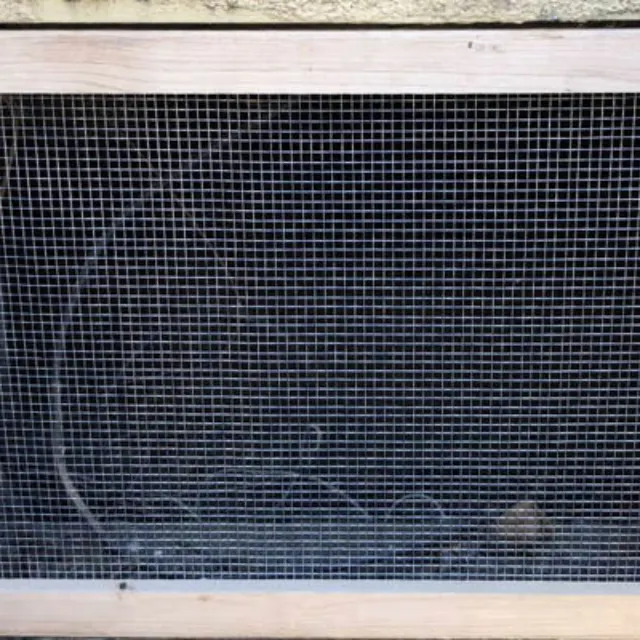
Rat cleanup can address concentrated droppings, urine staining, nesting material, odor and damaged insulation after monitoring confirms the active infestation is controlled.
If the proposal includes qualifying rodent exclusion repairs, those specific repairs may receive 10-year protection when it is written into the signed agreement. Removal, cleanup and insulation work are not automatically covered.
Orange County’s building stock and landscaping favor roof rats. Tile roofs create returns and edges that can open with age, settlement, or prior incomplete repairs. Mature trees in Irvine, Anaheim Hills, Yorba Linda, Mission Viejo, and similar communities provide elevated travel. Coastal and inland neighborhoods alike offer attic warmth, garage storage, and fruit trees that support foraging. Unlike seasonal markets where cold weather suppresses activity, local rats can press structures throughout the year.
We provide rat removal for homes and commercial properties across Orange County communities including Irvine, Anaheim, Huntington Beach, Newport Beach, Costa Mesa, Tustin, Orange, Fullerton, Yorba Linda, and Mission Viejo, with select Los Angeles County service in areas such as Long Beach and Lakewood based on job scope and availability. Older eaves-and-crawlspace construction, newer planned-community tile roofs, and mixed commercial corridors each present different inspection maps—but the principle stays the same: find the route, remove the active rats, then seal what allowed reinfestation.
Property managers and HOAs often see repeat attic noise complaints in the same building styles. Documenting openings by unit or roof section, then completing exclusion on the shared weak points, usually outperforms isolated trap visits that leave the entry path open. For county-level context, visit Orange County and Los Angeles County coverage pages, or the main rodent removal overview when both rats and mice are involved.
Trapping rats while leaving tile gaps, vent screens, or eave openings intact invites the next group to use the same highway into the attic. Professional rat removal should change the building condition, not only the temporary population inside it. A complete plan includes:
When the proposal includes qualifying rodent exclusion repairs, those specific repairs may receive 10-year protection when it is written into the signed agreement. Removal, cleanup, and insulation work are not automatically covered. Review warranty conditions before authorizing work so coverage language matches the exclusion scope you are buying. If mice are the primary issue instead, see mouse removal; if the job is primarily sealing after activity is controlled, start with rodent proofing.
Roof-rat control for tile roofs, trees, attics, eaves and upper-level access points common in Southern California.
Attic rat removal, entry-point sealing and cleanup planning for scratching, droppings, odor and damaged insulation.
Our rodent proofing service identifies and permanently seals roofline gaps, vents, utility penetrations, crawlspace openings and other access points used by rats and mice.
Professional attic cleanup after rodent or wildlife activity, including debris, droppings, odor and insulation evaluation.
Orange County, Los Angeles County and select nearby Southern California communities.
Dropping size and shape, rub marks, gnaw patterns, travel height, and attic versus ground-level evidence help distinguish rats from mice. Inspection confirms the species before control and proofing are finalized.
Yes. Attic rat removal is one of the most common Orange County requests. We inspect the attic and exterior together, place appropriate control, monitor activity, and plan sealing for the roofline openings tied to the infestation.
Our approach does not rely on broadcasting poison around the property. Control methods are selected after inspection and focused on the active travel and harborage areas identified on site.
Qualifying openings are sealed after monitoring shows the active infestation is controlled, so rats are not locked inside wall or attic voids. The written scope lists which vents, returns, eaves, and penetrations are included.
Yes. After activity is controlled, we can scope droppings removal, nesting debris, odor treatment, and insulation decisions based on what is actually present. Cleanup is itemized separately from exclusion.
The warranty applies only to qualifying rodent exclusion repairs expressly covered in the signed agreement. Rat removal, cleanup, and insulation work are not automatically included. Ask us to show which line items are warranty-eligible.
Tile roofs often hide returns, edges, and transitions that roof rats use repeatedly. Inspection prioritizes those details plus nearby tree access so proofing targets the real pathway instead of only obvious ground openings.
Yes. Commercial properties receive the same inspect-control-proof sequence, with attention to shared roofs, storage areas, and operational access. Recurring pressure points are documented so exclusion can be prioritized.
24/7 emergency service is available. Get a clear plan for active rat pressure, entry points, cleanup needs, exclusion work and long-term prevention.
Advanced Wildlife Removal
Call now or send a secure request with the property location and wildlife problem.