Professional Service
Mouse inspection and removal for kitchens, garages, walls, attics and crawlspaces with exclusion recommendations.
Tell us what you are hearing, seeing, or smelling. A wildlife removal specialist can help with rodents, birds, bats, raccoons, skunks, attic damage, and exclusion repairs.
Mouse removal in Orange County focuses on a different problem than roof-rat attic work. House mice fit through openings roughly the size of a dime, nest close to food and warmth, and leave small droppings along baseboards, cabinets, and garage edges. Homeowners often notice pantry damage, light scratching in walls, or pellets near appliances long before they find a large attic trail of spindle-shaped rat droppings.
Advanced Wildlife Removal approaches mouse removal as an inspection of nesting and feeding areas plus the small gaps that keep mice coming back—around pipes, doors, foundations, garages, and roof transitions. Targeted controls are placed where mice travel, then monitored until activity resolves. Exclusion closes the pencil-width openings that trapping alone never fixes. That order matters because sealing too early can push mice deeper into wall voids, and trapping without sealing invites the next litter through the same gap.
This page covers how professional mouse removal works for Orange County and Los Angeles County homes and businesses, which warning signs point to mice versus rats, how crawlspace and garage pressure fit the plan, and when the 10-year rodent protection warranty can apply to qualifying exclusion repairs written into your agreement.
For more detail, read our guide on what to do when wildlife or rodents enter your home.
Mouse activity is often quieter and lower than roof-rat attic pressure, but it spreads quickly once a nesting site is established near kitchens, laundry rooms, or garages.
Larger spindle-shaped droppings, heavy ceiling thumping, and greasy rub marks high in an attic more often indicate rats. If both patterns appear, start with rodent removal. For upper-level tile and attic rat routes, see rat removal. Mouse removal is the right focus when evidence is small-scale and concentrated around living-space food and foundation-level gaps.
Inspection, active control, exclusion and cleanup are scoped to the conditions found at the property.
Small droppings, scratching, food damage, shredded nesting material and activity along walls or cabinets.
Mouse inspections focus on small openings around cabinets, plumbing, doors, garages, foundations and roof transitions, along with the feeding and nesting evidence found inside.
Locate nesting and feeding areas, place targeted controls and monitor until activity is resolved.
Seal small gaps around pipes, doors, foundations, garages and roof transitions that mice can enter.
Effective mouse removal is not a handful of traps under the sink with no inspection of how mice entered. We locate nesting and feeding areas, place targeted controls, monitor results, then seal the small openings that support reinfestation.
Mouse inspections focus on small openings around cabinets, plumbing, doors, garages, foundations, and roof transitions, along with the feeding and nesting evidence found inside. We follow droppings lines, gnaw marks, and odor to the voids mice are actually using—not only the rooms where you first noticed activity. Crawlspace vents, pipe penetrations, and garage-door edges are frequent Orange County priorities.
We locate nesting and feeding areas, place targeted controls, and monitor until activity is resolved. Device placement follows the travel paths found during inspection. Our approach does not rely on broadcasting poison around the property as a substitute for finding entry gaps. Monitoring confirms when activity has stopped so sealing and cleanup are timed correctly.
Mice can enter gaps that look insignificant. We seal small openings around pipes, doors, foundations, garages, and roof transitions included in the written scope after activity is controlled. For broader multi-opening sealing after rats or mixed pressure, see rodent proofing. When the under-home perimeter is the main path, review crawlspace rodent exclusion.
Cleanup is scoped to the areas mice used, including droppings along walls or cabinets, shredded nesting material, contaminated storage, and affected attic or crawlspace materials. Sanitation is itemized separately from exclusion. Related service: rodent cleanup.
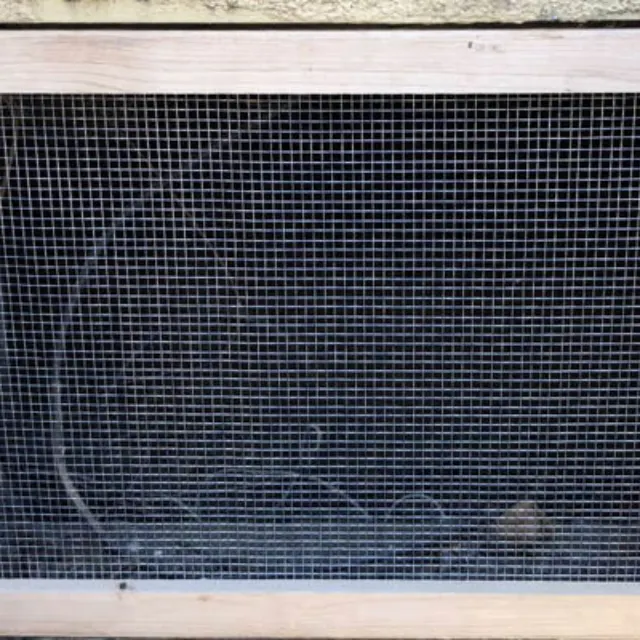
Cleanup is scoped to the areas mice used, including droppings along walls or cabinets, shredded nesting material, contaminated storage and affected attic or crawlspace materials.
If the proposal includes qualifying rodent exclusion repairs, those specific repairs may receive 10-year protection when it is written into the signed agreement. Removal, cleanup and insulation work are not automatically covered.
Southern California’s mild climate, dense housing, and abundant food storage create ideal conditions for house mice. Attached garages, slab and crawlspace transitions, irrigation and plumbing penetrations, and older door thresholds give mice repeated access. Once inside, cabinets, appliance voids, and storage boxes provide nesting within feet of pet food and pantry goods. Unlike roof rats that often announce themselves with heavy attic noise, mice can establish quietly until droppings and packaging damage become obvious.
We provide mouse removal throughout Irvine, Anaheim, Huntington Beach, Newport Beach, Costa Mesa, Tustin, Orange, Fullerton, Yorba Linda, Mission Viejo, and surrounding Orange County communities, with select Los Angeles County jobs based on scope and availability. Multi-unit and commercial properties often see repeat cabinet or storage-room activity when shared utility penetrations and trash areas are left open—documenting those gaps and completing exclusion on the shared weak points usually outperforms one-off trapping.
County coverage: Orange County and Los Angeles County. If inspection finds roof-level rat travel instead, we will redirect the plan toward rat removal rather than force a mouse-only scope.
Catching a few mice while leaving dime-sized gaps at pipes, doors, or garage edges open is why the same kitchen smells and droppings return. A complete mouse removal plan should:
If the proposal includes qualifying rodent exclusion repairs, those specific repairs may receive 10-year protection when it is written into the signed agreement. Removal, cleanup, and insulation work are not automatically covered. Review warranty conditions before authorizing work. For mixed rat-and-mouse pressure, use rodent removal as the umbrella inspection path.
Professional rat and mouse inspection, removal, entry-point identification and prevention for homes and commercial properties.
Our rodent proofing service identifies and permanently seals roofline gaps, vents, utility penetrations, crawlspace openings and other access points used by rats and mice.
Rodent exclusion for foundations, crawlspace vents, pipe penetrations and under-home access points.
Cleanup and sanitation planning for droppings, nesting debris, urine odor and rodent-contaminated materials.
Orange County, Los Angeles County and select nearby Southern California communities.
Dropping size, travel height, gnaw patterns, and nesting location help distinguish mice from rats. Small rice-sized pellets near cabinets and low openings usually point to mice; larger attic droppings and heavy ceiling noise more often indicate rats.
Controls are placed along the nesting and feeding routes found during inspection—often near cabinets, walls, garages, and voids—not randomly around the property.
Our approach does not rely on broadcasting poison around the property. Methods are selected after inspection and focused on the active areas identified on site.
Mice can enter gaps roughly the size of a dime. That is why door thresholds, pipe penetrations, garage edges, and foundation cracks matter even when they look minor.
Qualifying openings are sealed after monitoring shows activity is controlled, so mice are not locked inside wall voids. The written scope lists which gaps are included.
Cleanup can address droppings, shredded nesting material, contaminated storage, and affected attic or crawlspace materials when present. It is itemized separately from exclusion.
The warranty applies only to qualifying rodent exclusion repairs expressly covered in the signed agreement. Removal and cleanup are not automatically included.
Yes. Crawlspace vents, pipe penetrations, and under-home nesting are inspected with the interior evidence. Persistent foundation pressure may also call for crawlspace rodent exclusion.
24/7 emergency service is available. Get a clear plan for active mouse pressure, small entry points, cleanup needs, exclusion work and long-term prevention.
Advanced Wildlife Removal
Call now or send a secure request with the property location and wildlife problem.