Professional Service
Our rodent proofing service identifies and permanently seals roofline gaps, vents, utility penetrations, crawlspace openings and other access points used by rats and mice.
Tell us what you are hearing, seeing, or smelling. A wildlife removal specialist can help with rodents, birds, bats, raccoons, skunks, attic damage, and exclusion repairs.
Rodent proofing in Orange County is the exclusion work that stops repeat infestations after trapping quietens a home. Rats and mice return through the same tile returns, attic vents, utility penetrations, garage edges, and crawlspace openings unless those access points are identified and sealed with durable materials. Proofing without inspection is guesswork; trapping without proofing is a temporary pause.
Advanced Wildlife Removal performs a full exterior-to-interior inspection, documents every confirmed or vulnerable access point, and installs exclusion repairs included in the written scope—after active rodents are controlled so animals are not sealed inside wall or attic voids. That sequence matters on Southern California tile roofs, attached garages, and crawlspace homes where mild weather supports year-round pressure.
This page explains how professional rodent proofing works across Orange County and select Los Angeles County properties, what signs mean you need sealing rather than another round of traps alone, how attic and crawlspace exclusion fit the plan, and when the 10-year rodent protection warranty can apply to qualifying exclusion repairs written into your agreement.
For more detail, read our guide on how to choose a wildlife removal company in Orange County.
Recurring activity after trapping is the clearest signal that entry points are still open. Proofing targets those openings so control work lasts.
If the job is primarily attic openings after rats-in-attic control, also see attic rodent exclusion. For under-home vents and foundation gaps, review crawlspace rodent exclusion. Active removal still comes first via rat removal or rodent removal when animals are still present.
Inspection, active control, exclusion and cleanup are scoped to the conditions found at the property.
Recurring rodents after trapping, open vents, roof gaps, garage access and repeat droppings or noises.
A proofing inspection documents confirmed and vulnerable openings at roof returns, vents, eaves, utility penetrations, garage edges, foundations and crawlspaces before repair materials are specified.
Perform a full exterior-to-interior inspection and document every confirmed or vulnerable access point.
Install durable exclusion materials and repair qualifying access points included in the written scope.
Effective rodent proofing is inspection-driven and listed by opening—not a vague promise to “seal the whole house.”
We perform a full exterior-to-interior inspection and document every confirmed or vulnerable access point. Roofline gaps, vents, utility penetrations, garage edges, crawlspace openings, and foundation transitions are checked against interior droppings and travel evidence so sealing priorities match how rodents actually enter.
Exclusion is timed after monitoring shows the active infestation is controlled. Sealing too early can lock rodents inside voids. If activity is still present, removal is completed first, then proofing proceeds on the openings in scope.
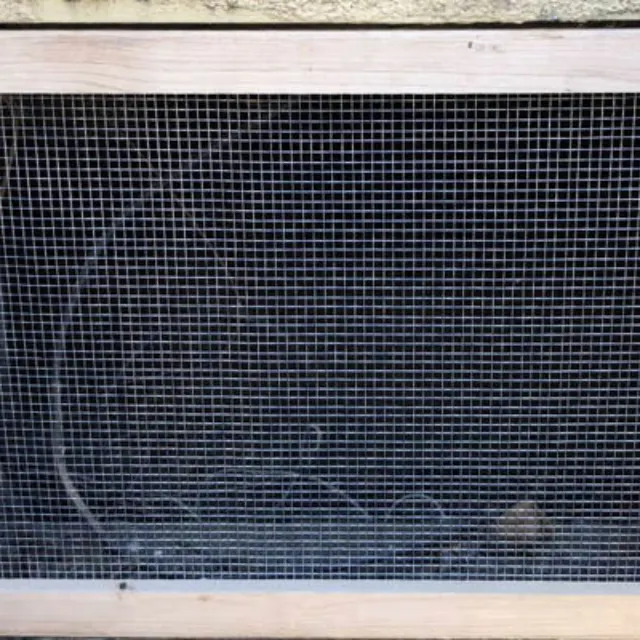
We install durable exclusion materials and repair qualifying access points included in the written scope. Materials and methods are chosen for the opening type—tile returns, vents, pipes, garage edges, and crawlspace vents each need different approaches. Soft filler alone is not treated as permanent proofing.
Proofing pairs with cleanup when contamination remains after control. See attic cleanup and rodent cleanup. Qualifying exclusion repairs may receive 10-year protection only when expressly written into the signed agreement.
Cleanup is quoted separately when the proofing inspection finds droppings, nesting debris, odor or contaminated insulation; sealing the structure is completed before restored areas are considered protected.
If the proposal includes qualifying rodent exclusion repairs, those specific repairs may receive 10-year protection when it is written into the signed agreement. Removal, cleanup and insulation work are not automatically covered.
Local building stock favors repeat rodent entry: tile roofs with aging returns, mature trees bridging to eaves, attached garages with door-edge gaps, and crawlspace or utility penetrations. Coastal and inland neighborhoods alike see year-round pressure, so an unsealed vent or pipe gap stays an invitation. Homes in Irvine, Anaheim, Huntington Beach, Newport Beach, Costa Mesa, Tustin, Orange, Fullerton, Yorba Linda, and Mission Viejo often share the same weak details across planned communities and older stock.
We provide rodent proofing for residential and commercial properties across Orange County and select Los Angeles County locations based on scope and availability. Property managers and HOAs benefit when shared roof and utility openings are documented and sealed as a system rather than unit-by-unit trap visits that leave the entry path open.
Coverage: Orange County and Los Angeles County. Attic-only sealing emphasis: attic rodent exclusion.
Homeowners who buy “rodent proofing” without a listed opening map often discover later that only a few obvious vents were addressed while tile returns or garage edges were left open. A complete proofing plan should:
If the proposal includes qualifying rodent exclusion repairs, those specific repairs may receive 10-year protection when it is written into the signed agreement. Removal, cleanup, and insulation work are not automatically covered. Review warranty conditions before authorizing work.
Rat removal focused on attic activity, roof-rat travel routes, sanitation risks and the openings that allow reinfestation.
Professional attic cleanup after rodent or wildlife activity, including debris, droppings, odor and insulation evaluation.
Attic-focused exclusion that closes roofline, vent, eave and utility openings used by rats and mice.
Rodent exclusion for foundations, crawlspace vents, pipe penetrations and under-home access points.
Orange County, Los Angeles County and select nearby Southern California communities.
Rodent proofing identifies and seals accessible roofline, vent, utility, garage, foundation, and crawlspace openings included in the written scope. The proposal lists which openings are covered.
Qualifying openings are sealed after monitoring shows the active infestation is controlled, so rodents are not locked inside wall or attic voids.
Attic rodent exclusion focuses on roofline, vent, eave, and utility openings serving the attic. Rodent proofing is the broader property inspection and sealing program that can also include garage and crawlspace openings.
Durable exclusion materials are selected for each opening type—vents, tile returns, pipes, and garage edges need different approaches. Soft filler alone is not treated as permanent proofing.
Qualifying rodent exclusion repairs may receive 10-year protection when expressly covered in the signed agreement. Ask which line items are warranty-eligible before you authorize work.
Yes. After activity is controlled, droppings cleanup and insulation decisions can be scoped separately. Proofing closes access; cleanup addresses contamination already present.
Yes. Commercial properties receive the same inspect-and-seal sequence, with attention to shared roofs, loading areas, and operational access so openings can be prioritized.
Proofing closes the openings in scope. New damage, alterations, landscaping bridges, or openings outside the agreement can create new access. Warranty terms and customer responsibilities apply to covered repairs.
24/7 emergency service is available. Get a clear plan for active rodent pressure, roofline and foundation entry points, durable sealing, cleanup needs and qualifying long-term protection.
Advanced Wildlife Removal
Call now or send a secure request with the property location and wildlife problem.