Professional Service
Professional rat and mouse inspection, removal, entry-point identification and prevention for homes and commercial properties.
Tell us what you are hearing, seeing, or smelling. A wildlife removal specialist can help with rodents, birds, bats, raccoons, skunks, attic damage, and exclusion repairs.
Rodent removal in Orange County is the service homeowners request when they know something is active—but are not yet sure whether it is rats, mice, or both. Scratching in walls, droppings in a garage, ceiling noise at night, and chewed packaging can come from different species that use different travel heights and opening sizes. Treating every call as “just set traps” misses the inspection work that separates roof-rat attic routes from mouse cabinet and foundation pressure.
Advanced Wildlife Removal treats rodent removal as an inspection-first program: identify the species and pressure points, place appropriate control, monitor until activity resolves, then seal the roof, vent, garage, utility, and foundation openings that allowed reentry. That sequence is what turns a temporary quiet period into a durable result—especially in Southern California, where mild weather supports year-round rodent pressure on tile roofs, eaves, and crawlspaces.
This page explains how combined rat and mouse service works across Orange County and select Los Angeles County properties, what signs point to each species, how proofing and cleanup fit the plan, and when the 10-year rodent protection warranty can apply to qualifying exclusion repairs written into your agreement.
For more detail, read our guide on common signs you need wildlife or rodent removal service.
Rodent evidence often starts subtle and then spreads. The earlier the pattern is mapped, the easier it is to match control devices to the right voids and to list the openings that must be sealed after activity stops.
If inspection confirms primarily roof-level rat travel, see rat removal and rats in the attic. If the evidence is smaller and closer to kitchens, garages, and foundation gaps, review mouse removal. This rodent removal page is the right starting point when both patterns appear or when you need one inspection to sort the problem before specialized follow-through.
Inspection, active control, exclusion and cleanup are scoped to the conditions found at the property.
Scratching in walls or attics, droppings, rub marks, chewed wiring and nighttime movement.
We compare droppings, rub marks, gnawing and sound locations with roof, vent, garage, utility and foundation access so the removal plan addresses both active rodents and the route they are using.
Inspect activity zones, identify the species and pressure points, then use appropriate trapping and removal methods.
Seal roof gaps, vents, utility lines, garage edges and foundation openings after the active problem is controlled.
Professional rodent removal is a four-part loop: inspect, control, proof, and clean when contamination requires it. Skipping proofing is the main reason Orange County properties see the same noises return weeks later.
We compare droppings, rub marks, gnawing, and sound locations with roof, vent, garage, utility, and foundation access so the plan addresses both active rodents and the route they are using. Attic edges, tile returns, eaves, plumbing penetrations, crawlspace vents, and garage transitions are checked together. Tree limbs, vines, and fence lines that act as bridges are noted even when the repair itself is structural.
After species and routes are confirmed, we place species-appropriate trapping and removal methods in the active zones—not broadcast poison as a substitute for finding entry paths. Monitoring shows when activity has slowed or stopped so exclusion and cleanup are not performed against an unresolved population. Mixed rat-and-mouse jobs may require different device placement heights and zones inside the same structure.
We seal roof gaps, vents, utility lines, garage edges, and foundation openings included in the written scope after the active problem is controlled. Proofing is listed by opening type so you know what is included. For a sealing-focused scope after control, see rodent proofing; for attic-only exclusion emphasis, see attic rodent exclusion.
If rats or mice have contaminated insulation, storage areas, attic surfaces, or crawlspaces, the scope can include droppings and nesting-debris removal, sanitation, odor work, and evaluation of damaged insulation. Cleanup is itemized separately from exclusion. Related options include rodent cleanup and attic cleanup.
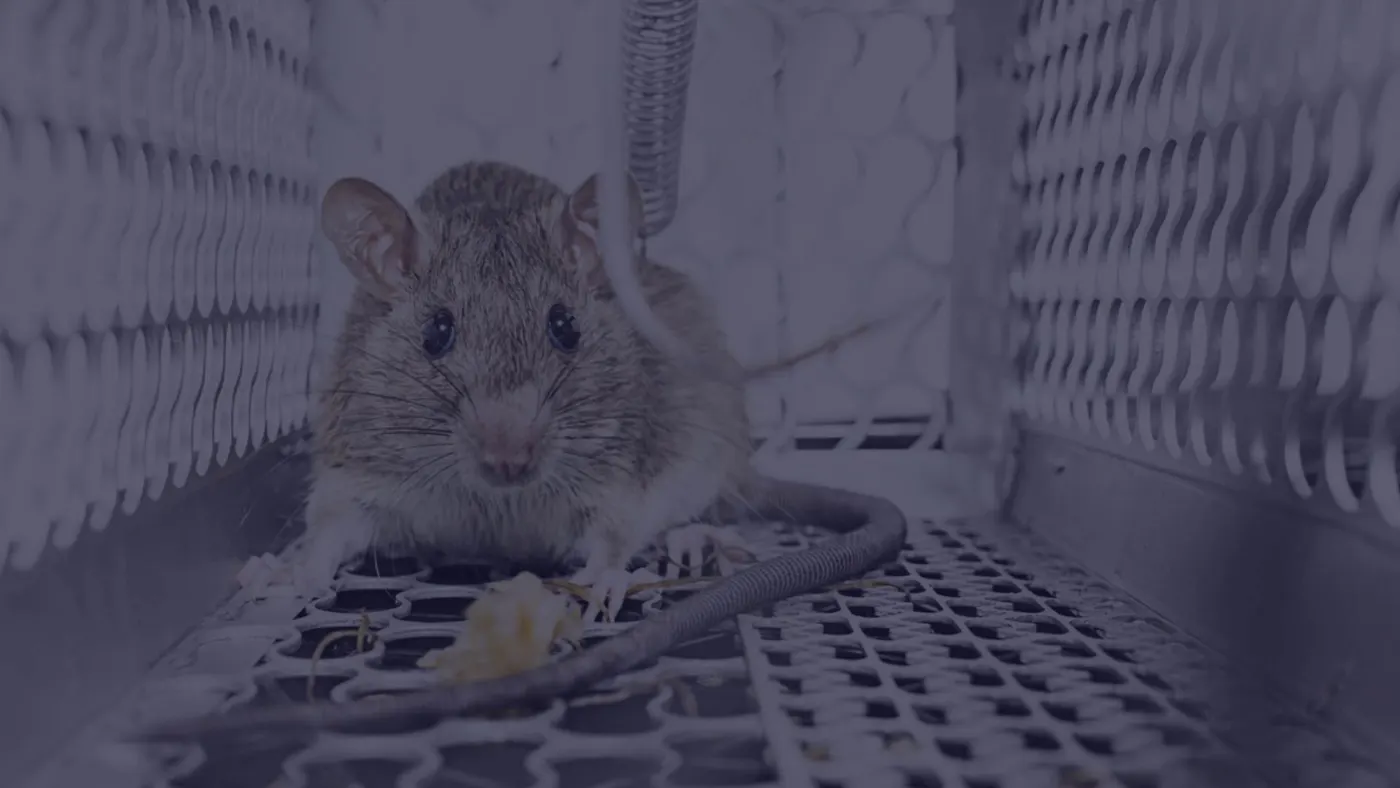
If rats or mice have contaminated insulation, storage areas, attic surfaces or crawlspaces, the scope can include droppings and nesting-debris removal, sanitation, odor work and evaluation of damaged insulation.
If the proposal includes qualifying rodent exclusion repairs, those specific repairs may receive 10-year protection when it is written into the signed agreement. Removal, cleanup and insulation work are not automatically covered.
Orange County’s mix of tile roofs, mature landscaping, attached garages, and crawlspace or slab transitions creates overlapping rodent opportunities. Roof rats use elevated routes into attics; mice exploit pencil-width gaps at doors, pipes, and foundation edges; both can leave droppings in shared garages and storage. Coastal humidity, inland heat, and year-round food sources mean activity does not pause for a long winter the way it can in colder climates.
We provide rodent removal for homes and commercial properties throughout Irvine, Anaheim, Huntington Beach, Newport Beach, Costa Mesa, Tustin, Orange, Fullerton, Yorba Linda, Mission Viejo, and surrounding Orange County communities, with select Los Angeles County service such as Long Beach and Lakewood based on scope and availability. Property managers and HOAs often see the same building styles repeat attic noise or garage droppings—documenting openings by unit or roof section, then completing exclusion on shared weak points, outperforms isolated trap visits.
For county coverage details, visit Orange County and Los Angeles County. If your call is clearly one species already, the dedicated rat removal or mouse removal pages go deeper on those patterns.
Removing the animals you can hear while leaving tile gaps, vent screens, garage edges, or pipe openings intact invites the next group to use the same highway. A complete rodent removal plan should change the building condition:
If the proposal includes qualifying rodent exclusion repairs, those specific repairs may receive 10-year protection when it is written into the signed agreement. Removal, cleanup, and insulation work are not automatically covered. Review warranty conditions before authorizing work so coverage language matches the exclusion scope you are buying.
Rat removal focused on attic activity, roof-rat travel routes, sanitation risks and the openings that allow reinfestation.
Mouse inspection and removal for kitchens, garages, walls, attics and crawlspaces with exclusion recommendations.
Our rodent proofing service identifies and permanently seals roofline gaps, vents, utility penetrations, crawlspace openings and other access points used by rats and mice.
Cleanup and sanitation planning for droppings, nesting debris, urine odor and rodent-contaminated materials.
Orange County, Los Angeles County and select nearby Southern California communities.
Rodent removal is the umbrella service when rats, mice, or both may be involved. Inspection confirms the species and routes; dedicated rat or mouse pages go deeper when one pattern is already clear.
Yes. We compare droppings, rub marks, gnawing, and sound locations with roof, vent, garage, utility, and foundation access so control and sealing target the real pathway.
Our approach does not rely on broadcasting poison around the property. Control methods are selected after inspection and focused on the active travel and harborage areas identified on site.
Qualifying openings are sealed after monitoring shows the active infestation is controlled, so rodents are not locked inside wall or attic voids. The written scope lists which openings are included.
Yes. Droppings, nesting debris, odor work, and insulation evaluation can be included when contamination is present. Cleanup is itemized separately from exclusion.
The warranty applies only to qualifying rodent exclusion repairs expressly covered in the signed agreement. Removal, cleanup, and insulation work are not automatically included.
Yes. Commercial rodent control uses the same inspect-control-proof sequence, with attention to shared roofs, storage areas, and operational access so exclusion can be prioritized.
Same-day inspections may be available depending on location, technician availability, and the type of rodent problem. Call with the city, property type, and what you are hearing or seeing.
24/7 emergency service is available. Get a clear plan for rat or mouse identification, non-poison control, complete entry-point sealing, monitoring, contamination cleanup and qualifying protection documented in writing.
Advanced Wildlife Removal
Call now or send a secure request with the property location and wildlife problem.