Professional Service
Under-home cleanup for animal debris, droppings, odor, nesting material and contaminated crawlspace surfaces.
Tell us what you are hearing, seeing, or smelling. A wildlife removal specialist can help with rodents, birds, bats, raccoons, skunks, attic damage, and exclusion repairs.
Crawlspace cleanup in Orange County addresses animal debris, droppings, odor, nesting material, and contaminated surfaces under the home—often after rats, mice, or wildlife have used vents and foundation openings as harborage. Odor through floors, droppings below the house, and torn vent screens are common calls. Cleaning under the home while animals still enter—or without repairing vents—leaves the same problem ready to return.
Advanced Wildlife Removal inspects access, removes affected debris, and applies the sanitation scope appropriate to the conditions after activity is controlled. Crawlspace vents and entry points are repaired before cleanup is considered complete. That under-home path complements attic cleanup, pairs with crawlspace rodent exclusion, and overlaps broader rodent cleanup when multiple zones are contaminated.
Low clearance, damp soil, and limited lighting make crawlspace sanitation different from attic work. Debris may sit on vapor barrier, soil, or framing; moisture can hold odor longer; and access may require different equipment and containment than a simple attic hatch. Inspection sets realistic expectations for what can be removed safely and what must be left if access or structural conditions limit the scope.
This page covers how crawlspace cleanup works for Orange County and Los Angeles County properties, which under-home signs matter, how exclusion and dead-animal situations fit, and why warranty language applies to sealing—not sanitation.
For more detail, read our guide on what to do when wildlife or rodents enter your home.
Under-home contamination shows up as odor and floor-level clues before many homeowners ever crawl underneath.
Active under-home entry: crawlspace rodent exclusion. Sudden strong localized odor may also involve dead animal removal. Wildlife denning under structures: wildlife removal.
Inspection, active control, exclusion and cleanup are scoped to the conditions found at the property.
Odor through floors, droppings below the home, torn materials, nesting and animal entry at vents.
Crawlspace access, ventilation, animal openings, droppings, nesting, odor and damaged under-home materials are documented before the cleanup scope is prepared.
Inspect access, remove affected debris and apply the sanitation scope appropriate to the conditions.
Repair crawlspace vents and entry points before cleanup is considered complete.
Crawlspace cleanup is scoped after control and tied to fixing the openings that caused the mess.
We inspect access, document droppings, nesting, odor, and torn materials, and confirm whether animals are still active. Safe entry, clearance, and ventilation conditions are evaluated before debris removal begins so the written scope matches what can actually be reached.
Cleanup follows resolved activity. Removing waste while rodents or wildlife still use the crawlspace spreads contamination and fails to hold. If fresh evidence remains, removal or exclusion work continues before sanitation.
Affected debris is removed and sanitation is applied to accessible contaminated surfaces appropriate to the conditions. Scope is written by area—soil paths, vapor barrier sections, framing edges—not a vague under-home package.
Repair crawlspace vents and entry points before cleanup is considered complete. Exclusion closes the path; cleanup addresses what was left behind. See crawlspace rodent exclusion when sealing is the primary need, and dead animal removal when odor points to remains in a void.
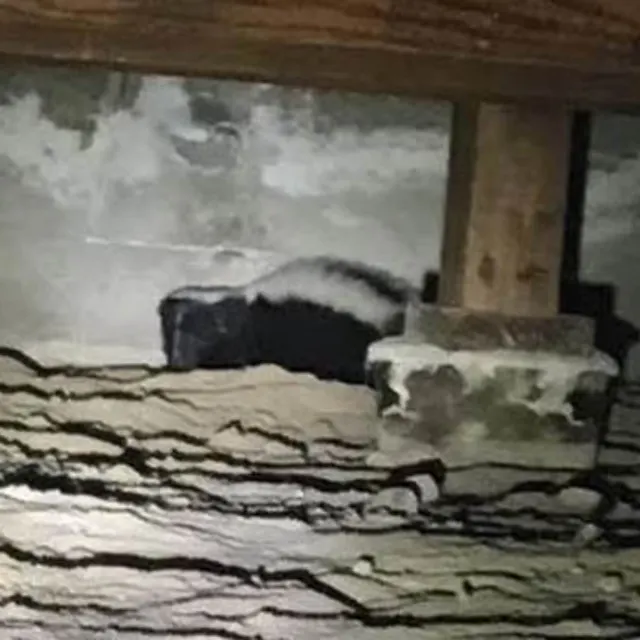
The under-home scope may include animal debris removal, accessible-surface sanitation, odor-source work and disposal of contaminated material after the entry problem is corrected.
If the proposal includes qualifying rodent exclusion repairs, those specific repairs may receive 10-year protection when it is written into the signed agreement. Removal, cleanup and insulation work are not automatically covered.
Raised-floor and mixed-foundation homes across Orange County create under-home voids that stay dark, sheltered, and often damp. Aging vents, irrigation near foundations, and landscaping against skirts keep rodent and wildlife pressure on the same openings year-round. When droppings and nesting sit on soil or vapor barrier, warm weather drives odor upward through floors—especially in Irvine, Anaheim, Huntington Beach, Newport Beach, Costa Mesa, Tustin, Orange, Fullerton, Yorba Linda, and Mission Viejo neighborhoods with similar construction.
We provide crawlspace cleanup across Orange County communities and select Los Angeles County properties based on scope and availability. Property managers frequently see repeat under-floor odor in the same building styles until vents are repaired and debris is cleared after control. Phased cleanup by building section is common when tenants occupy units above shared crawlspaces.
Coastal humidity and inland heat both worsen under-home odor after infestation, but the fix is the same sequence: stop the animals, close the vents and foundation gaps that fed the crawlspace, then remove the debris and sanitize accessible contaminated surfaces. Skipping vent repair is the most common reason odor and droppings return after a partial clean.
Coverage: Orange County and Los Angeles County. Sealing warranty details: warranty conditions.
Clearing debris while torn vents stay open invites the next animals into the same under-home void. A complete crawlspace cleanup plan should:
If the proposal includes qualifying rodent exclusion repairs, those specific repairs may receive 10-year protection when it is written into the signed agreement. Removal, cleanup, and insulation work are not automatically covered.
Rodent exclusion for foundations, crawlspace vents, pipe penetrations and under-home access points.
Cleanup and sanitation planning for droppings, nesting debris, urine odor and rodent-contaminated materials.
Dead-animal inspection, location and removal for attics, crawlspaces, wall-adjacent voids and exterior areas.
Humane, species-appropriate wildlife removal for attics, crawlspaces, rooflines and exterior shelter areas.
Orange County, Los Angeles County and select nearby Southern California communities.
After activity under the home is controlled, and with vent and entry repairs planned so cleaned areas are not immediately re-exposed.
No. Crawlspace cleanup addresses under-home debris, odor, and surfaces. Attic cleanup focuses on insulation and debris above living spaces.
Repairing crawlspace vents and entry points is part of finishing the job. Exclusion may be itemized separately but should not be skipped.
Odor usually improves after debris and contaminated materials are removed. Severe saturation, moisture, or a dead animal in a void may need additional work.
No. The warranty applies only to qualifying rodent exclusion repairs in the signed agreement—not cleanup or sanitation.
Inspection may identify remains that need dead animal removal before or with crawlspace sanitation. Odor source location comes first.
Yes when droppings, nesting, or debris remain after wildlife is out. Species and access conditions shape the cleanup scope.
Access varies by home. Inspection evaluates clearance, entry points, and safe working conditions before debris removal is proposed.
24/7 emergency service is available. Get a clear plan for active animal control, vent and entry repairs, debris removal, accessible-surface sanitation, odor-source treatment and contaminated materials.
Advanced Wildlife Removal
Call now or send a secure request with the property location and wildlife problem.