Professional Service
Dead-animal inspection, location and removal for attics, crawlspaces, wall-adjacent voids and exterior areas.
Tell us what you are hearing, seeing, or smelling. A wildlife removal specialist can help with rodents, birds, bats, raccoons, skunks, attic damage, and exclusion repairs.
Dead animal removal in Orange County addresses sudden strong odor, flies, staining, and a localized smell that intensifies with warm weather. Remains may be in an attic, crawlspace, wall-adjacent void, or exterior shelter area. Guessing and spraying deodorizers rarely ends the problem. Locating the source, accessing it where feasible, and removing affected debris from the immediate area is how odor finally drops—and how entry paths get flagged so the next animal is not sealed in the same void.
Advanced Wildlife Removal traces the odor, accesses the remains where feasible, and removes affected debris from the immediate area. How the animal entered is identified so sealing or sanitation recommendations reduce repeat incidents. That odor-location path often follows incomplete sealing after wildlife removal or raccoon removal, pairs with attic cleanup or crawlspace cleanup when contamination spreads, and may lead to rodent proofing when rats caused the sealed-in death.
Homeowners often call after a smell appears overnight in heat, then find flies at a hatch or staining near a wall. Others notice odor only in one room when HVAC runs. In every case the plan should start with location—not a whole-attic package sold before the source is found.
This page explains how professional dead animal removal works across Orange County and select Los Angeles County properties, which odor signs matter, how access and sanitation are scoped, and why rodent warranty language does not automatically cover this service.
For more detail, read our guide on common signs you need wildlife removal service.
Dead-animal calls are driven by sudden odor and localized evidence—not by ongoing heavy attic travel alone.
Active animals still present: start with the matching species page such as wildlife removal, rats in the attic, or bat removal. Broad debris after removal: attic cleanup or crawlspace cleanup. Preventing the next entry: rodent proofing.
Inspection, active control, exclusion and cleanup are scoped to the conditions found at the property.
Sudden strong odor, flies, staining and a localized smell that increases with warm temperatures.
Odor strength, fly activity, staining and accessible attic, crawlspace, wall-adjacent or exterior areas are checked to narrow the source before opening or removal work is proposed.
Trace the odor, access the remains where feasible and remove affected debris from the immediate area.
Identify how the animal entered and recommend sealing or sanitation to reduce repeat incidents.
Dead-animal work starts with tracing the odor, then access and removal, then sanitation and entry recommendations.
Odor strength, fly activity, staining, and accessible attic, crawlspace, wall-adjacent, or exterior areas are checked to narrow the source before opening or removal work is proposed. Heat, HVAC paths, and recent sealing history help separate a wall void from a crawlspace or attic bay.
Once the zone is narrowed, we access the remains where feasible. Some sources are reachable from a hatch or vent; others need limited opening of a void. The written scope explains access limits so expectations match what can be reached without unnecessary demolition.
The immediate affected area can be cleared of remains and accessible contaminated debris, then treated for sanitation or odor based on the surface and location. Broader attic or crawlspace cleanup is itemized when contamination extends beyond the source zone.
Identify how the animal entered and recommend sealing or sanitation to reduce repeat incidents. Entry correction may be scheduled with rodent proofing or wildlife exclusion depending on species evidence. Odor work alone does not close the pathway that caused the sealed-in death.
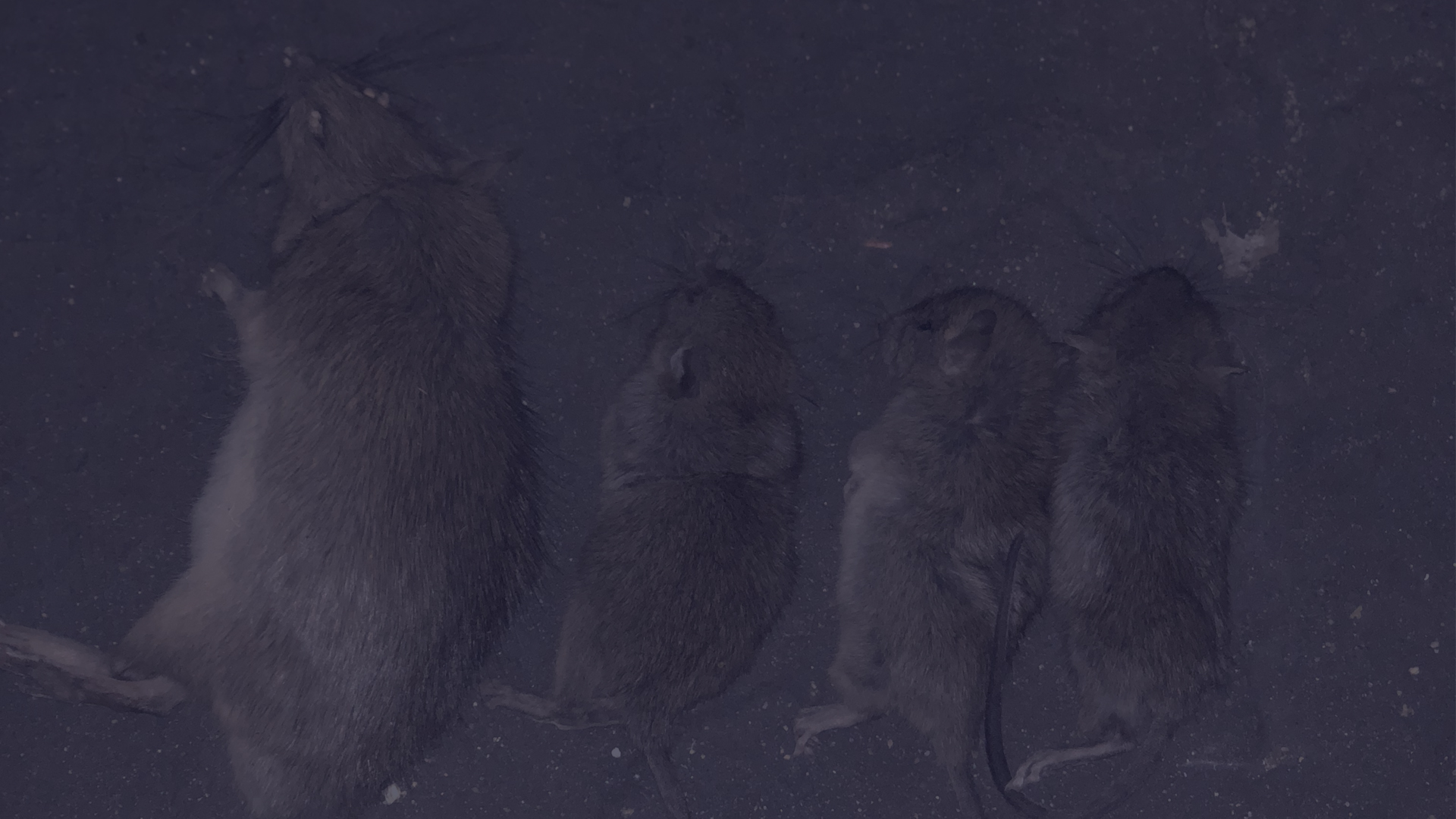
The immediate affected area can be cleared of remains and accessible contaminated debris, then treated for sanitation or odor based on the surface and location.
The 10-year rodent protection warranty does not automatically apply to this service. It applies only if separate qualifying rodent exclusion repairs are expressly covered in the signed agreement.
Warm attics and crawlspaces accelerate odor after an animal dies in a void. Tile roofs and sealed DIY vents increase the chance animals are trapped during attempted exclusion. Homes in Irvine, Anaheim, Huntington Beach, Newport Beach, Costa Mesa, Tustin, Orange, Fullerton, Yorba Linda, and Mission Viejo commonly report sudden smell spikes during heat waves after weeks of ignored wildlife noise. Coastal and inland properties share attic and wall-void patterns even when crawlspace designs differ.
We provide dead animal removal across Orange County and select Los Angeles County properties based on scope and availability. HOAs and multi-unit buildings often need odor tracing by unit or roof section because shared returns can pull smell into neighboring spaces. Documenting the source zone and access method keeps proposals clear for managers who must approve limited opening work around tenants.
Older wall cavities and newer open attics produce different access challenges, but the rule stays the same: locate first, remove what can be reached, sanitize the immediate area, then address the entry that allowed the animal in. Masking odor without location is why complaints return every time temperatures rise.
Coverage: Orange County and Los Angeles County. Related cleanup: attic cleanup and crawlspace cleanup. Entry prevention: rodent proofing.
Covering smell while remains stay in a void only delays the next heat-driven complaint. A complete dead animal removal plan should:
The 10-year rodent protection warranty does not automatically apply to dead animal removal. It applies only if separate qualifying rodent exclusion repairs are expressly covered in the signed agreement. Review warranty conditions when rodent sealing is also needed on the same property.
Professional attic cleanup after rodent or wildlife activity, including debris, droppings, odor and insulation evaluation.
Under-home cleanup for animal debris, droppings, odor, nesting material and contaminated crawlspace surfaces.
Humane, species-appropriate wildlife removal for attics, crawlspaces, rooflines and exterior shelter areas.
Our rodent proofing service identifies and permanently seals roofline gaps, vents, utility penetrations, crawlspace openings and other access points used by rats and mice.
Orange County, Los Angeles County and select nearby Southern California communities.
We trace odor strength, flies, staining, and accessible voids to narrow the source before proposing opening or removal work. Heat and HVAC paths often help localize the zone.
Access limits what can be reached. When remains are feasible to access, they are removed with immediate debris. Some deep voids require limited opening; expectations are written into the scope.
Odor usually improves only after remains and immediate contaminated material are addressed. Deodorizers alone rarely end heat-driven smell from a sealed void.
Immediate source-area cleanup can be included. Broader attic or crawlspace sanitation is itemized when contamination extends beyond the localized source.
No. The rodent protection warranty does not automatically apply to this service. It applies only if separate qualifying rodent exclusion repairs are written into the signed agreement.
Animals can be trapped behind permanent repairs. Location and removal address the sealed-in source; future sealing should wait until activity is confirmed out.
We identify how the animal entered and recommend sealing. Exclusion or rodent proofing may be scheduled as a separate line item based on species evidence.
Same-day inspections may be available depending on city, access, and schedule. Call with where the smell is strongest and whether flies or recent sealing are involved.
24/7 emergency service is available. Get a clear plan for odor-source location, feasible access and removal, affected-area sanitation, odor treatment and entry-point prevention.
Advanced Wildlife Removal
Call now or send a secure request with the property location and wildlife problem.