Professional Service
New attic insulation installation after contaminated materials are removed and wildlife access is corrected.
Tell us what you are hearing, seeing, or smelling. A wildlife removal specialist can help with rodents, birds, bats, raccoons, skunks, attic damage, and exclusion repairs.
Attic insulation replacement in Orange County restores thermal performance after contaminated material is removed and attic entry points are sealed. New batts or blown insulation should go into a protected attic—not one that still invites roof rats through tile, vents, or eaves. Installing over urine-stained or nested insulation traps odor and waste under a fresh layer and wastes the restoration spend.
Advanced Wildlife Removal sequences replacement after insulation removal or thorough attic cleanup, and after sealing tied to attic rodent exclusion or rodent proofing. The goal is even coverage, correct depth for the attic design, and a space that stays rodent-free so the new insulation lasts.
Replacement is not a pest-control warranty product. Qualifying exclusion repairs may carry 10-year protection when written into the signed agreement; insulation install is a separate restoration line item. Proposals list product type, coverage area, and R-value goals clearly so homeowners know what is being restored.
This page covers when replacement belongs in the attic restoration sequence across Orange County and select Los Angeles County properties, how it follows removal and sealing, what inspection checks before install, and how local roof-rat pressure makes the order of work non-negotiable.
For more detail, read our guide on seasonal wildlife prevention tips for Orange County homes.
Replacement belongs after removal or cleanup—not as a cover-up for an active attic.
Still deciding on tear-out? Start with insulation removal. Active rats: rats in the attic. Broader control: rodent removal.
Inspection, active control, exclusion and cleanup are scoped to the conditions found at the property.
Missing, compressed or contaminated insulation and reduced thermal performance after an infestation.
Before new insulation is installed, the attic is checked for completed debris removal, dry and accessible surfaces, corrected entry points and any remaining conditions that would compromise the replacement.
Prepare the attic after cleanup, verify exclusion work and install the agreed replacement material.
Maintain sealed access points and schedule warranty inspections when required by the written agreement.
Replacement is the last major attic restoration step after control, cleanup or removal, and sealing.
We confirm animals are controlled, contaminated insulation in scope is out or cleaned, and attic surfaces are prepared. Install does not start over active droppings trails or open entry points.
Entry points planned for sealing are completed or scheduled so new insulation is not immediately re-exposed. Hatch access, storage needs, and HVAC clearances are checked so install does not block critical equipment or create fire-clearance issues.
Batts or blown material are installed to the coverage and depth written on the proposal. Product choice follows attic layout, existing residual insulation (if any remains outside the removal zone), and homeowner goals for comfort.
Coverage is checked for evenness and gaps. If the project included qualifying rodent exclusion, warranty terms apply only to those sealed repairs in the signed agreement—not to the insulation product itself.
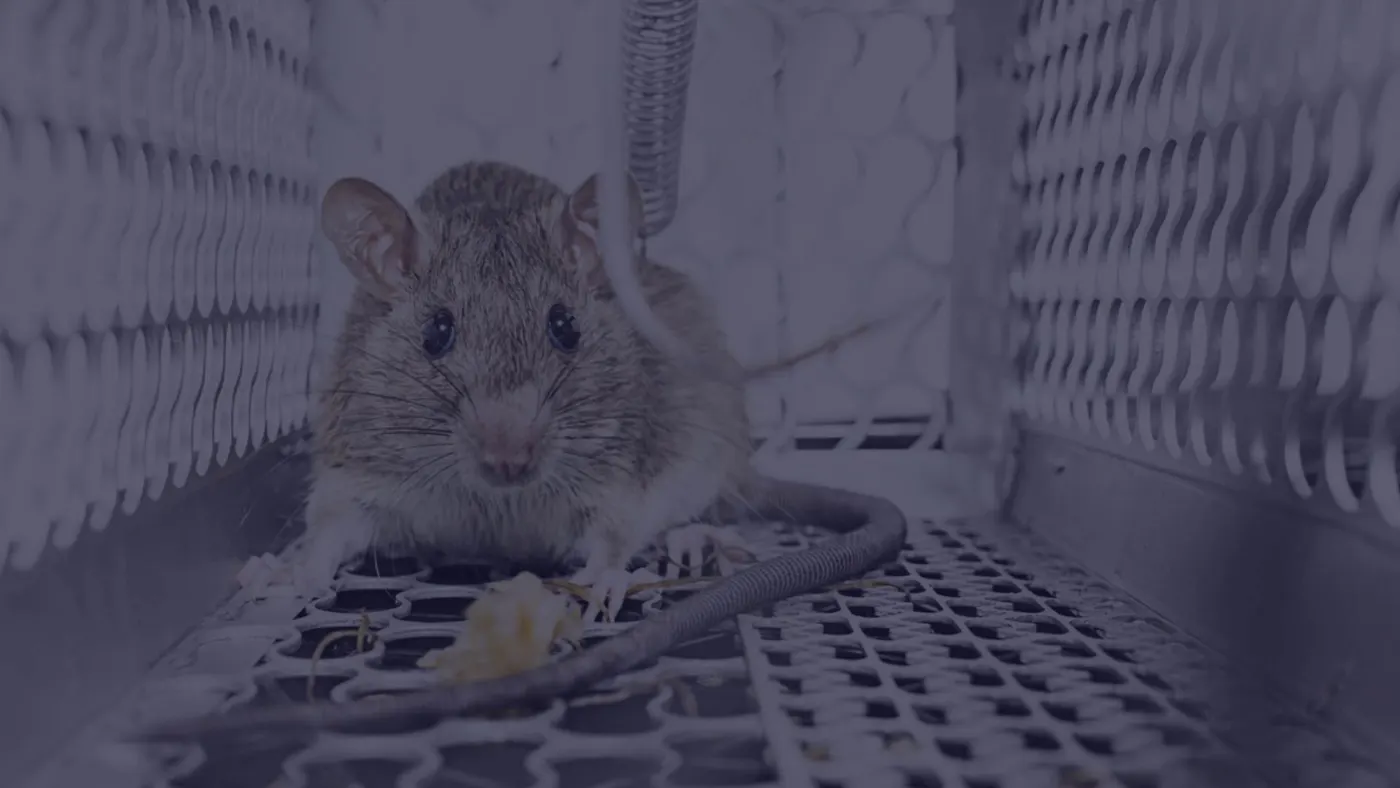
Replacement follows the approved cleanup and exclusion scope. The proposal identifies the material and installation area rather than assuming every attic requires full replacement.
If the proposal includes qualifying rodent exclusion repairs, those specific repairs may receive 10-year protection when it is written into the signed agreement. Removal, cleanup and insulation work are not automatically covered.
Orange County tile roofs and warm attics create year-round pressure from roof rats. Replacing insulation before vents, eaves, and tile returns are sealed often means new material becomes the next nesting bed. Irvine, Anaheim, Huntington Beach, Newport Beach, Costa Mesa, Tustin, Orange, Fullerton, Yorba Linda, and Mission Viejo homes commonly need both exclusion and replacement after long-term attic travel.
We provide attic insulation replacement across Orange County and select Los Angeles County properties based on scope and availability. Multi-unit and HOA properties may phase install by attic section after shared-roofline exclusion so tenants see less disruption and disposal stays organized.
Low-pitch older attics and taller newer roofs differ in access and preferred product, but the order is consistent: control, remove or clean contaminated material, seal openings, then replace. Skipping sealing to “finish the attic faster” usually costs more when rats return.
Coverage: Orange County and Los Angeles County. Exclusion warranty details: warranty conditions.
Fresh insulation in an open attic is an invitation. A sound replacement plan should:
If the proposal includes qualifying rodent exclusion repairs, those specific repairs may receive 10-year protection when it is written into the signed agreement. Insulation replacement is not automatically covered under that warranty language.
Removal of insulation affected by rodent droppings, urine, nesting, odor or extensive wildlife damage.
Professional attic cleanup after rodent or wildlife activity, including debris, droppings, odor and insulation evaluation.
Attic-focused exclusion that closes roofline, vent, eave and utility openings used by rats and mice.
Our rodent proofing service identifies and permanently seals roofline gaps, vents, utility penetrations, crawlspace openings and other access points used by rats and mice.
Orange County, Los Angeles County and select nearby Southern California communities.
After contaminated material is removed or thoroughly cleaned and attic entry points are sealed—not while animals are still active.
No. Covering urine-stained or nested insulation traps odor and waste. Removal or thorough cleanup comes first.
Yes whenever exclusion is in scope. Sealing before install protects the new insulation from immediate re-infestation.
No. The warranty applies only to qualifying rodent exclusion repairs in the signed agreement—not insulation products or install.
Product type and depth follow attic layout and the written proposal—typically batts or blown material suited to the space.
Yes. Some attics need coverage only where material was removed along travel paths; others need full-attic restore after broad tear-out.
Removal takes contaminated material out. Replacement puts new insulation back after sealing. They are sequenced, not interchangeable.
No. Odor usually improves after contaminated material is removed. Installing over soiled insulation can worsen or trap smell.
24/7 emergency service is available. Get a clear plan for attic readiness, completed cleanup, corrected entry points, dry accessible surfaces and the appropriate replacement insulation scope.
Advanced Wildlife Removal
Call now or send a secure request with the property location and wildlife problem.