Professional Service
Opossum inspection and removal for crawlspaces, garages, attics and sheltered exterior areas.
Tell us what you are hearing, seeing, or smelling. A wildlife removal specialist can help with rodents, birds, bats, raccoons, skunks, attic damage, and exclusion repairs.
Opossum removal in Orange County addresses nighttime movement, disturbed pet food, droppings, crawlspace noise, and denning near buildings. Opossums are opportunistic shelter seekers. They use crawlspaces, garages, sheds, and dense landscaping more often than they tear attic vents like raccoons. A quiet animal under the house can still leave droppings, odor, and a travel path that invites the next visitor if access stays open.
Advanced Wildlife Removal locates the shelter area and uses an appropriate humane removal plan for the property. Access below structures is closed and reliable food or shelter sources are removed so the den is not immediately reused. That opossum-focused path sits under broader wildlife removal, often pairs with crawlspace cleanup, and may overlap dead animal removal when odor is sudden and localized. Heavy attic thumping and torn vents more often indicate raccoon removal; strong spray odor and cone digging usually point to skunk removal.
Homeowners often call after hearing light nighttime scratching under floors, finding overturned pet bowls, or noticing an animal walking a fence line toward a known crawlspace gap. Others discover a den only after a garage door is left open overnight. In every case the plan should match the shelter route—not a generic trap package sold before inspection.
This page explains how professional opossum removal works across Orange County and select Los Angeles County properties, which signs point to under-home or garage denning, how exclusion and attractant correction fit together, and why rodent warranty language does not automatically cover wildlife work.
For more detail, read our guide on residential wildlife removal for Orange County properties.
Opossum problems are often quieter and more ground-level than raccoon attic dens, but the shelter path still needs mapping.
Strong distinctive spray odor and cone digging: see skunk removal. Torn attic vents and heavy thumping: raccoon removal. Daytime roof running: squirrel removal. Under-home sanitation after control: crawlspace cleanup.
Inspection, active control, exclusion and cleanup are scoped to the conditions found at the property.
Nighttime movement, disturbed pet food, droppings, crawlspace noise and denning near a building.
We check crawlspaces, garages, roof or attic access and sheltered exterior areas for tracks, droppings, disturbed materials and the route an opossum uses to return.
Locate the shelter area and use an appropriate humane removal plan for the property.
Close access below structures and remove reliable food or shelter sources.
Opossum work starts with locating the shelter route, then humane removal, then closing access and correcting attractants.
We check crawlspaces, garages, roof or attic access, and sheltered exterior areas for tracks, droppings, disturbed materials, and the route an opossum uses to return. Interior noise and exterior openings are read together so the removal plan matches the actual den—not a guessed corner of the yard.
Once the shelter area is clear, we use a method suited to the property and access. Timing matters when animals are actively using a crawlspace or garage void. The written scope explains the sequence before permanent vent, lattice, or door-gap repairs close the shelter.
Close access below structures and remove reliable food or shelter sources. Sealing while an animal remains under the home creates odor and retrieval problems. Adjacent openings on the same perimeter are checked so the den is not simply moved a few feet along the foundation.
If an opossum has nested below or inside the structure, accessible droppings, nesting debris, and odor sources can be included after removal and entry correction. Crawlspace cleanup is itemized when sanitation under the home is warranted.
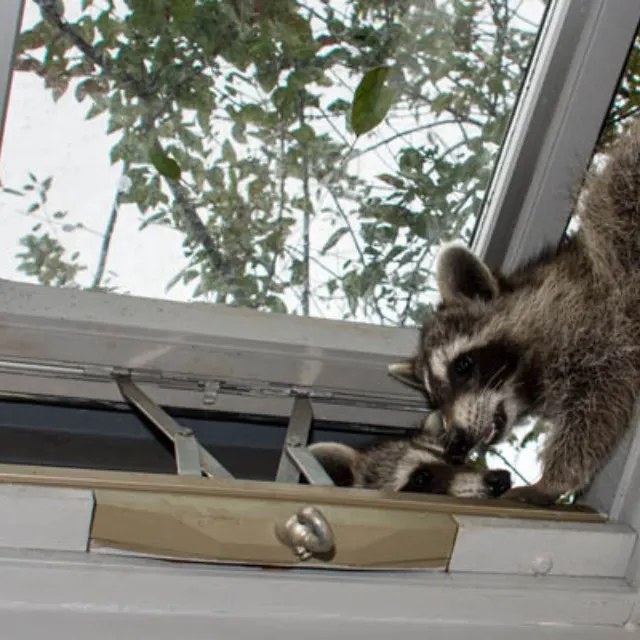
If an opossum has nested below or inside the structure, accessible droppings, nesting debris and odor sources can be included after removal and entry correction.
The 10-year rodent protection warranty does not automatically apply to this service. It applies only if separate qualifying rodent exclusion repairs are expressly covered in the signed agreement.
Mild weather, irrigated landscaping, and easy crawlspace or garage gaps give opossums reliable overnight shelter. Pet food left outside and open trash keep animals returning even after a single removal. Homes in Irvine, Anaheim, Huntington Beach, Newport Beach, Costa Mesa, Tustin, Orange, Fullerton, Yorba Linda, and Mission Viejo commonly show denning under decks or in crawlspaces when lattice and vents stay open. Coastal and inland neighborhoods share those structural weak points even when yard density differs.
We provide opossum removal across Orange County and select Los Angeles County properties based on scope and availability. HOAs and multi-unit sites often need perimeter mapping because shared sheds, trash enclosures, and crawlspace vents concentrate activity. Documenting the return route and attractants keeps proposals clear for managers who must approve phased exclusion around residents and pets.
Older foundation vents and newer raised-slab transitions produce different access maps, but the rule stays the same: find the shelter path, remove the animal humanely, then close the openings and correct food sources. Skipping exclusion is why the same fence-line travel pattern returns within weeks.
Coverage: Orange County and Los Angeles County. Broader multi-species work: wildlife removal. Related ground-level dens: skunk removal.
An open crawlspace vent or garage gap remains an invitation for the next animal on the same corridor. A complete opossum removal plan should:
The 10-year rodent protection warranty does not automatically apply to opossum removal. It applies only if separate qualifying rodent exclusion repairs are expressly covered in the signed agreement. Review warranty conditions when rodent sealing is also needed on the same property.
Humane, species-appropriate wildlife removal for attics, crawlspaces, rooflines and exterior shelter areas.
Under-home cleanup for animal debris, droppings, odor, nesting material and contaminated crawlspace surfaces.
Raccoon inspection and humane removal for attics, roofs, crawlspaces and denning areas near structures.
Dead-animal inspection, location and removal for attics, crawlspaces, wall-adjacent voids and exterior areas.
Orange County, Los Angeles County and select nearby Southern California communities.
Most often in crawlspaces, garages, sheds, and sheltered exterior areas—not typically by tearing attic vents. Inspection confirms the actual shelter route.
They generally avoid conflict, but shared pet food and close encounters can still create stress and mess. Removing access and food sources reduces repeat visits.
Not until the animal is confirmed out. Sealing an active den under the home can create odor and retrieval problems.
Cleanup is evaluated after removal. Accessible droppings, nesting debris, and odor sources can be scoped when nesting left contamination.
No. The rodent protection warranty does not automatically apply to wildlife removal. It applies only if separate qualifying rodent exclusion repairs are written into the signed agreement.
Opossums are often quieter under-home or garage denners. Skunks bring distinctive spray odor and digging; raccoons more often tear attic vents and create heavy roof noise.
They can if access and attractants remain. Closing openings and securing pet food and trash reduces repeat denning.
Same-day inspections may be available depending on city, access, and schedule. Call with where you hear movement and any crawlspace or garage gaps you have noticed.
24/7 emergency service is available. Get a clear plan for opossum activity, shelter routes, humane removal, accessible cleanup needs and crawlspace, garage or exterior entry prevention.
Advanced Wildlife Removal
Call now or send a secure request with the property location and wildlife problem.