Wildlife problems at home create stress quickly. Scratching above the ceiling at night, a raccoon near the garage door, droppings in the attic access, or birds nesting above a vent can make a normally comfortable property feel unpredictable. Residential wildlife activity is not just a nuisance. It can lead to contamination, insulation damage, chewed wiring, blocked vents, odor, and repeat entry if the underlying access points are not identified and corrected.
Orange County homeowners deal with year-round wildlife pressure because mild weather, tile roofs, mature landscaping, and dense suburban development create reliable shelter and travel routes. Rats, raccoons, squirrels, bats, birds, opossums, skunks, and snakes may use attics, crawlspaces, rooflines, garages, and exterior gaps as protected nesting or denning zones. Professional wildlife removal should address the active problem while also explaining how the animal reached the structure and what should be corrected to reduce future activity.
This guide covers how residential wildlife removal works in Orange County, common problem areas around the home, warning signs to watch for, and how inspection, humane removal, exclusion, and cleanup fit together for long-term property protection.
How Residential Wildlife Removal Differs From a Quick Trap-Out
Removing a visible animal solves only part of the problem. Many homeowners call after seeing one raccoon or hearing a few nights of scratching, but the inspection often reveals multiple access points, secondary travel routes, or evidence of recurring activity that was never fully addressed. A trap placed in the yard without identifying species, entry paths, and nesting locations may catch an animal while leaving the roof gap or vent opening that caused the issue.
Residential service should be inspection-driven. That means reviewing attic and crawlspace evidence, exterior rooflines, vents, garage transitions, landscaping pressure, and contamination concerns before recommending removal methods. The best outcome is not simply quiet for a week. It is understanding why the animal chose the property and what repairs or exclusion steps reduce the chance of return.
Common Wildlife Issues at Orange County Homes
Southern California homes see a wide range of nuisance wildlife depending on roof type, lot layout, tree cover, and neighborhood density. Roof rats remain one of the most frequent attic issues, especially on tile roofs with aging vents or tree branches near the eaves. Raccoons may enter attic voids through roof returns or unsecured access panels. Squirrels often use upper-level openings and may nest in insulation. Birds and bats can occupy vents, soffits, and sheltered roof edges.
Ground-level activity may involve opossums or skunks under decks, in crawlspaces, or near storage areas. Snakes may appear when rodents or other prey are present. Because more than one species can use the same property over time, evidence-based inspection matters more than assumptions based on a single sighting.
Frequent residential problem zones
- Attics, insulation areas, and ceiling voids
- Rooflines, vents, soffits, fascia, and tile returns
- Garages, crawlspaces, sheds, and storage rooms
- Patios, side yards, pool equipment areas, and landscape beds
- Exterior gaps around utility lines, doors, and foundation transitions
- Chimneys, dormers, and solar panel perimeters
Attic Wildlife: Noises, Droppings, and Insulation Damage
Attic activity is one of the most common reasons homeowners schedule wildlife service. Nighttime scratching, thumping, or scurrying above bedrooms often points to rodents or raccoons using upper-level routes. Daytime rustling may suggest squirrels or birds. Because attics are rarely entered during routine home maintenance, problems can develop for weeks before they are noticed.
Attic evidence may include droppings, urine odor, nesting material, compressed insulation tunnels, chewed wiring, or disturbed storage. These conditions can affect air quality, energy performance, and fire safety if wiring damage is present. When contamination is significant, follow-up attic cleanup may be recommended after active animals are removed and entry points are addressed.
Attic problems rarely stay isolated to the attic. Animals usually enter from the exterior roofline, which is why professional inspection pairs interior evidence with a full exterior review rather than treating the attic as a separate issue.
Roofline, Vent, and Eave Access Points
Many residential infestations begin at openings that look minor from the ground. Torn vent screens, loose flashing, gaps at tile returns, unsealed utility penetrations, and damaged soffit panels can all provide entry for rats, squirrels, birds, and bats. Tree branches that touch or overhang the roof create additional routes for roof rats and squirrels.
Exclusion work should match the opening size, location, and species involved. Vent screening, durable sealants, hardware cloth, and structural repairs may all play a role depending on what the inspection finds. The goal is to close active and vulnerable access points without trapping animals inside the structure.
Raccoons, Squirrels, and Larger Nuisance Wildlife
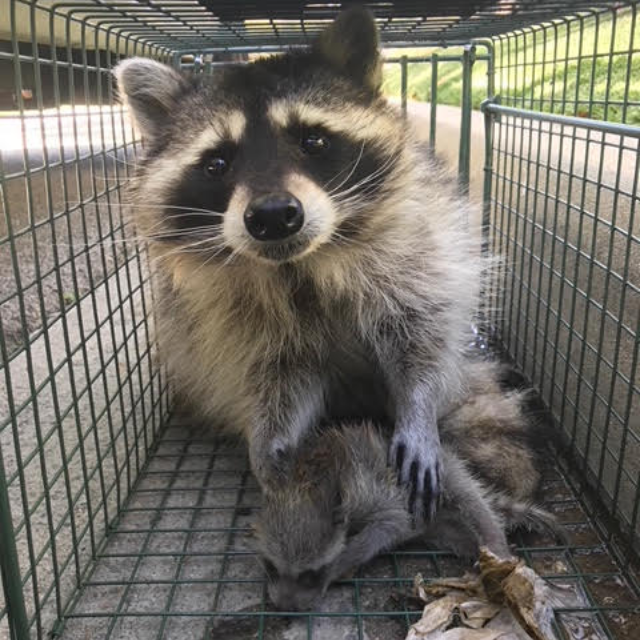
Raccoons are strong, adaptable, and capable of exploiting roof openings, attic access panels, and garage transitions. They may den in insulation, leave significant contamination, and return to familiar structures if entry points remain open. Squirrels often use many of the same upper-level routes but may create localized nesting zones in soffits or attic corners.
When larger wildlife is involved, humane removal should be paired with a clear plan for exclusion and monitoring. Simply removing one animal without reviewing the roofline can lead to repeat activity from another individual using the same opening. For recurring raccoon activity, targeted raccoon removal and roofline inspection are usually the appropriate starting point.
Garage, Crawlspace, and Yard Activity
Not all wildlife problems occur in the attic. Garages attract animals when doors remain open, seals fail, or pet food and trash are stored inside. Crawlspaces may harbor rodents, opossums, or skunks when vent screens are damaged or access doors do not close fully. Yard activity around decks, retaining walls, and dense landscaping can indicate denning conditions that later connect to the structure.
These areas still require inspection. A raccoon seen near the garage may also be using a roof opening at night. Rodent droppings in a crawlspace may connect to attic travel routes through wall voids. Treating only the visible location without reviewing the full property can leave the broader issue unresolved.
Warning Signs Homeowners Should Not Ignore
Wildlife problems often begin subtly. Many Orange County homeowners first notice sounds, odors, or minor exterior damage rather than a direct animal sighting. Taking those early signs seriously can limit contamination and repair costs later.
Signs that warrant professional inspection
- Repeated scratching or thumping in ceilings or walls
- Droppings near attic access, garages, or foundation lines
- Strong odor in one area of the home
- Damaged vent screens, soffits, or roofline materials
- Nesting debris on ledges, in vents, or near roof equipment
- Pet or family member reporting repeated nighttime activity
- Previous wildlife issue returning in the same location
When several signs appear together, the property may already have active entry rather than a passing visitor. Early inspection helps define whether removal, exclusion, or cleanup should happen first.
Inspection: What a Residential Visit Should Include
A professional residential wildlife inspection should review both the complaint area and the likely exterior access routes. That often includes attic or crawlspace evidence, roofline transitions, vent condition, garage seals, tree proximity, and any history of prior activity. Homeowners can help by sharing when noises occur, where droppings were found, and whether similar problems happened before.
Typical inspection focus areas
- Interior activity zones reported by the homeowner
- Attic insulation, droppings, nesting, and travel paths
- Crawlspace vents, access doors, and perimeter gaps
- Roof returns, fascia, eaves, and utility penetrations
- Garage-to-house transitions and door seals
- Landscaping, fencing, and exterior storage conditions
Clear documentation after inspection makes it easier to prioritize removal, sealing, and any follow-up sanitation work.
Humane Removal and Exclusion Planning
Humane wildlife removal means using methods appropriate for the species, location, and property use. That may involve trapping, one-way exclusion devices, nest or roost management, or other lawful approaches based on what the inspection reveals. The emphasis is on resolving the problem safely while minimizing stress to the animal and avoiding conditions that trap wildlife inside the structure.
Exclusion is the step that protects the property long term. After active animals are addressed, vulnerable openings should be sealed or reinforced. For many homes, that includes rodent proofing at rooflines and vents as well as species-specific repairs for larger entry points. Removal without exclusion often leads to repeat calls within weeks or months.
Cleanup and Contamination After Wildlife Activity
Wildlife activity can leave droppings, nesting material, urine staining, and damaged insulation behind. Ignoring contamination may leave odor in place, make future inspections harder, and create an incomplete resolution even after animals are gone. Cleanup scope depends on where activity occurred, how long it lasted, and whether occupied areas are affected.
Attic and crawlspace contamination are the most common follow-up concerns after rodents or raccoons. Professional guidance helps determine whether localized sanitation is enough or whether broader material removal is appropriate. Cleanup should generally follow confirmation that active entry has been stopped.
Prevention for Long-Term Property Protection
The most successful residential wildlife plans combine immediate removal with ongoing prevention habits. Homeowners can support professional exclusion by trimming trees away from rooflines, securing trash and pet food, maintaining vent screens, and reporting new evidence early rather than waiting for damage to spread.
Prevention priorities for homeowners
- Schedule exterior reviews after major roof or vent work
- Keep branches trimmed back from eaves and tile roofs
- Replace torn vent screens before nesting season peaks
- Store firewood and clutter away from the foundation
- Document recurring activity so patterns are easier to identify
- Address secondary openings found during prior service visits
Prevention is especially important on properties with repeat history. Animals often return to structures that previously provided shelter unless access points are corrected.
DIY vs. Professional Residential Wildlife Service
Basic maintenance can reduce risk, but active wildlife inside the structure usually requires professional inspection and removal. DIY trapping without identifying species and travel routes may move the problem temporarily while leaving entry points open. Roofline work, attic review, and contamination assessment also involve safety considerations many homeowners should not attempt alone.
Professional service is recommended when:
- Noises continue in attics or walls
- Droppings, odor, or nesting material are present
- Entry points are at the roofline or in crawlspaces
- Repeat activity has occurred at the same property
- Larger species such as raccoons or bats may be involved
- Contamination may require attic or crawlspace restoration planning
Residential Wildlife Removal FAQ
How do I know if the problem is in the attic or somewhere else?
Noise location, droppings, and entry-point evidence help determine activity zones. Attic insulation disturbance and roofline gaps often point to upper-level issues, while garage or crawlspace evidence may indicate lower access routes.
Will removing one animal solve the problem?
Not always. If openings remain or multiple animals are using the structure, activity can continue after a single removal. Inspection helps determine whether exclusion and monitoring are also needed.
Can wildlife damage insulation and wiring?
Yes. Rodents and larger animals may compress insulation, nest in it, or chew wiring and duct materials. That is one reason attic inspection should include damage review, not only animal presence.
Should cleanup happen before or after exclusion?
Active entry should generally be addressed first so newly cleaned areas are not immediately recontaminated. Cleanup planning can still begin during inspection.
Do you serve my city in Orange County?
Advanced Wildlife Removal serves homeowners throughout Orange County and nearby communities. Review our service coverage or request an inspection to confirm availability for your location.
Request Residential Wildlife Removal in Orange County
If your home has attic noises, roofline damage, droppings, nesting evidence, or repeat wildlife activity, the next step is a professional inspection. Early service helps identify the species involved, address the active problem safely, and define the exclusion or cleanup work needed to protect the property long term.
24/7 Emergency Service Available for urgent wildlife situations. Request Free Inspection to discuss conditions at your Orange County home. We provide humane residential wildlife removal focused on inspection, prevention, and practical recommendations that fit the property, not just a temporary trap-out.